Martha
Ceramics
Photos & Interview by Will Sertorio
If we designers spend all day creating on screens (and now terminals), why are we never fully satisfied? And why do manual hobbies feel like the missing piece?
This is a series of visual essays I put together trying to answer those questions. Portraits and interviews with digital designers, and the hands-on hobbies they keep.
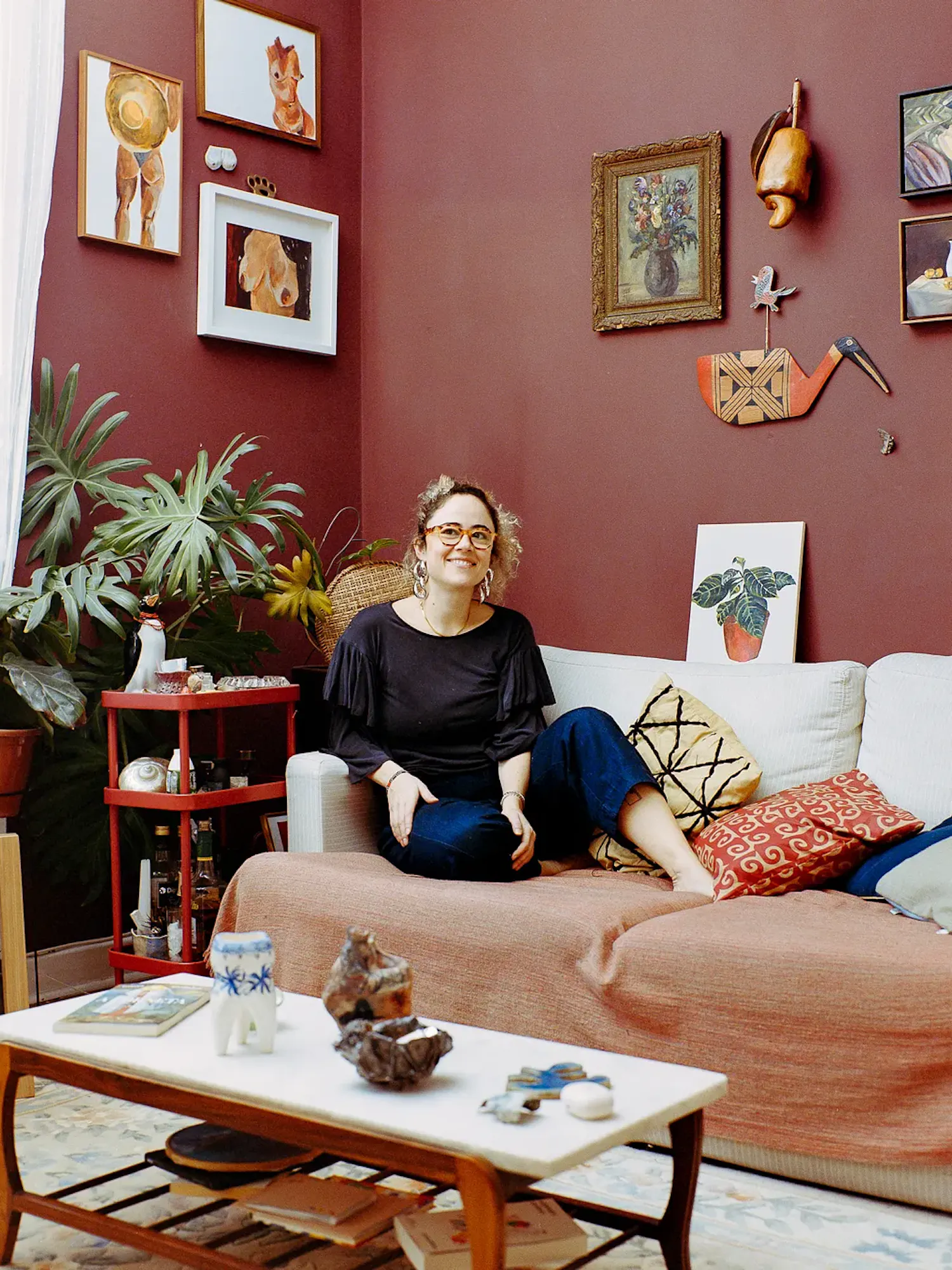
Meet Martha.
Strategic Designer, makes ceramics in her spare time.
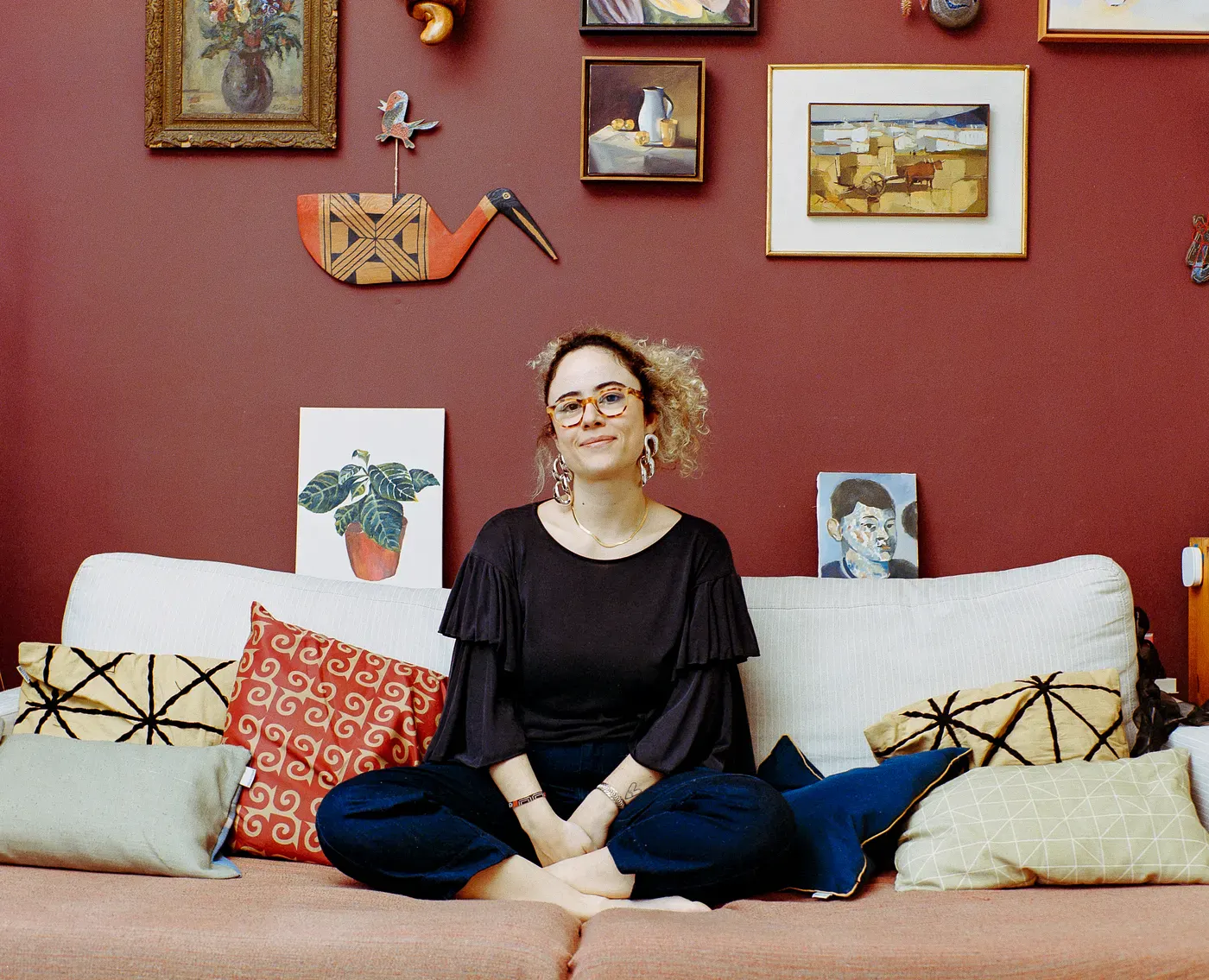
Marta made most of the paintings framed on this wall.
How did you start and why this hobby?
Let’s see, how did I start? This specific hobby, which is ceramics, really captivated me strongly because it was a translation of the painting I always did, I have a degree in product design, so I ended up going into painting early on in college and it started giving me an urge to make things “a little bigger,” because I made paintings, that was it, I was a little tired of a bunch of paintings, paintings, paintings. I wanted to get out of 2D and go to 3D. I never went into it thinking about making functional stuff, like oh, I’m gonna make—I have some friends who got into it who wanted to make the whole dinner set for their house; that was never my thing.
And being a designer, I always got interested in the process; the process here captivates me so much that, like I say today about my work, the final product doesn’t really turn me on, to be honest. But the process of how I did it to get there and the consistency of you keeping on making it and then, after, I don’t know, a year, you see an evolution in a language—that’s what gives me the urge.
That’s what makes me wanna keep making it, you know? So I started a little in this desire to make a three-dimensional thing. That had my face, my expression, but also with techniques I didn’t know, so this curious place of I wonder what it’s like and then I kept going exactly because the techniques are infinite and one thing leads to another. So there was a teacher, an artist, who gave me a suggestion which was: everything you make, make three, because that way you don’t get attached when things go wrong.
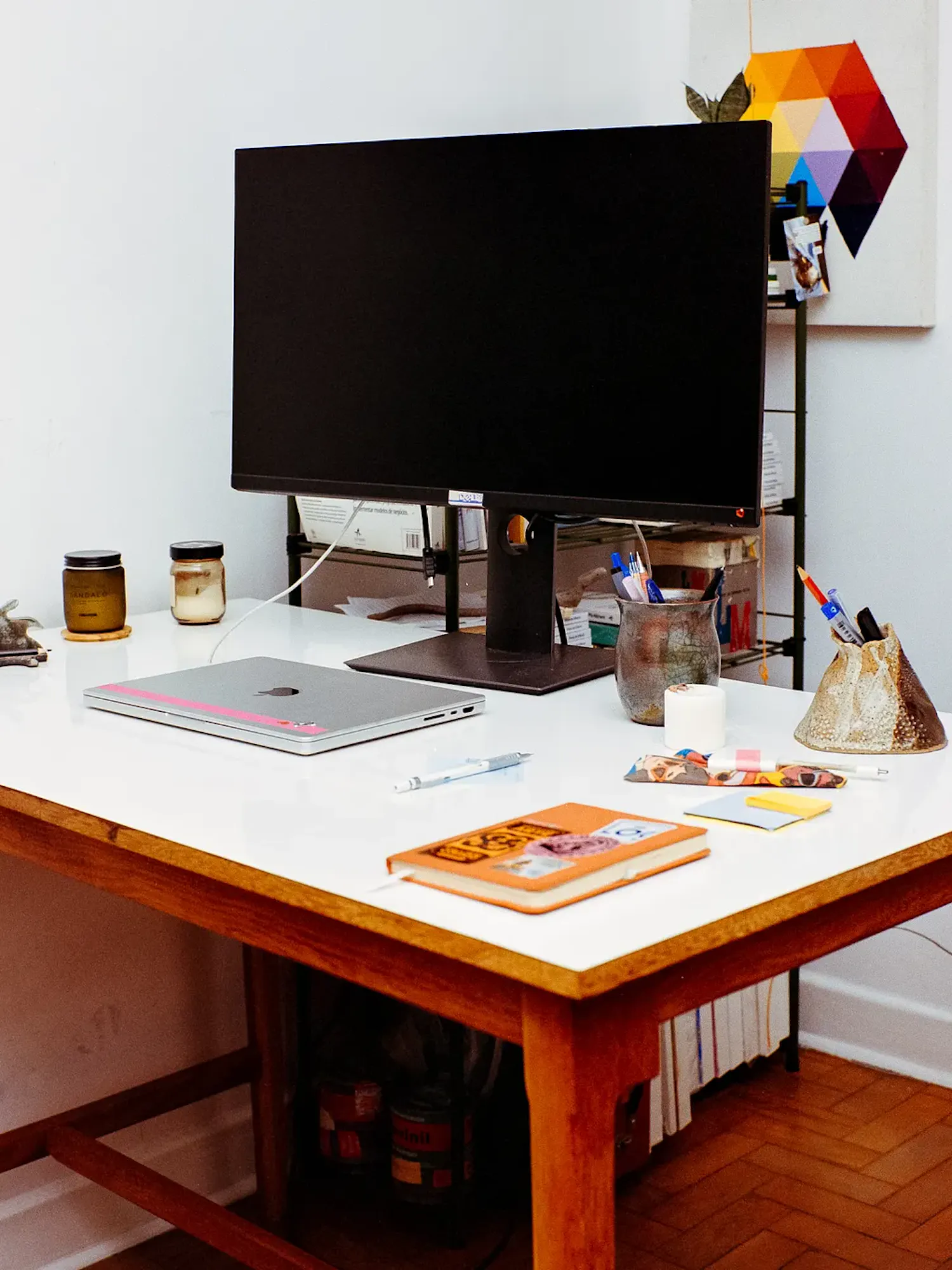
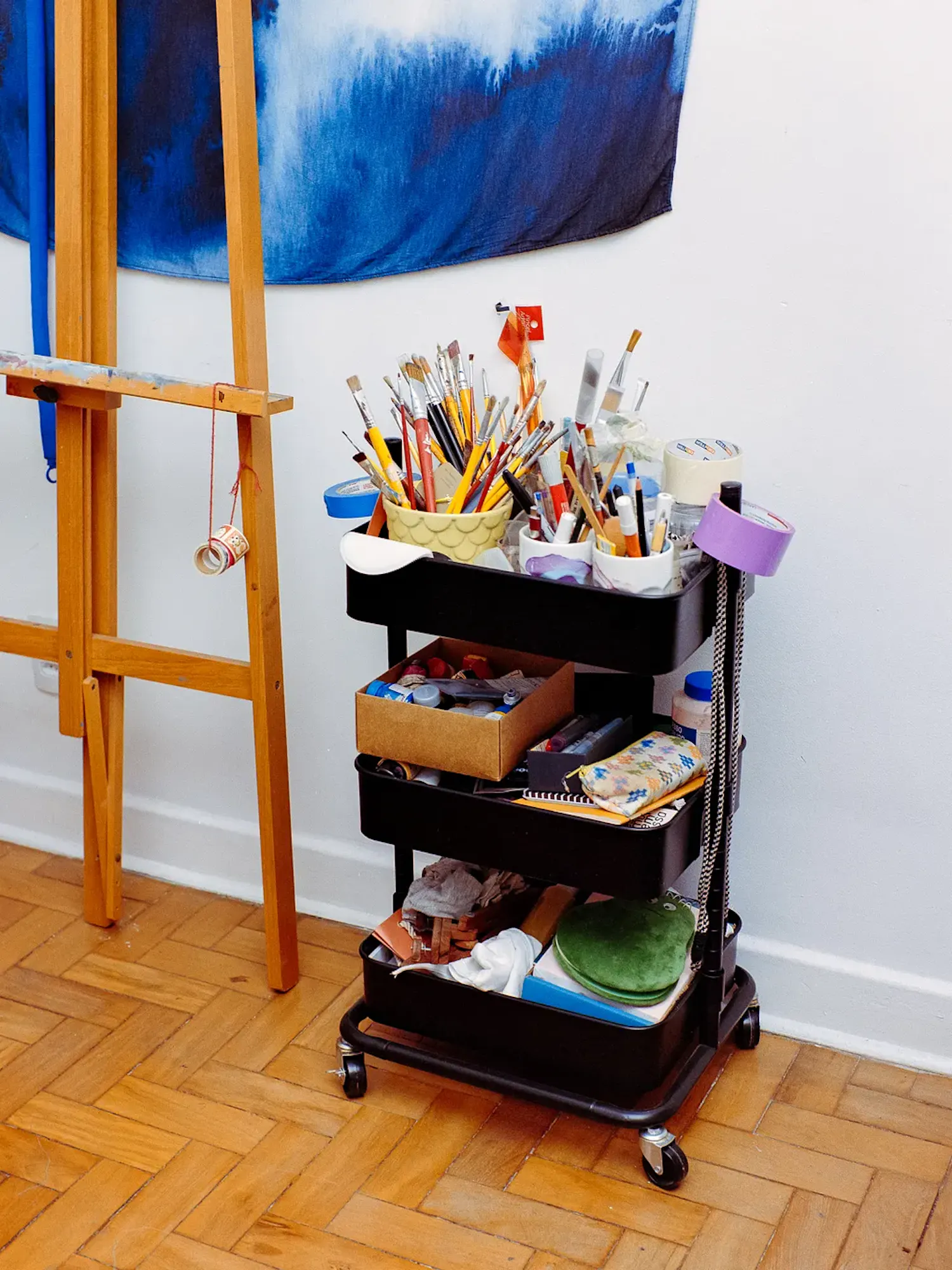
Marta has an office + atelier in the same room.
If your work is already creative, why do you need a creative hobby?
My work is creative, but it’s creative inside a really tiny little square of rules. So I have those rules, a lot of them—and I can work within that mini space they allow me. And then what’s also interesting, because I manage to make several others, how can we explain it like this: the more we limit, the more we create, right? And then when I go to my external creative work, I’m the owner of the product, I’m the PM, I’m the PO, I’m the CEO. I’m the one who structures what I wanna do.
What do you do to keep your hobby alive in your routine? (ex: put it on the calendar, set a goal, etc)
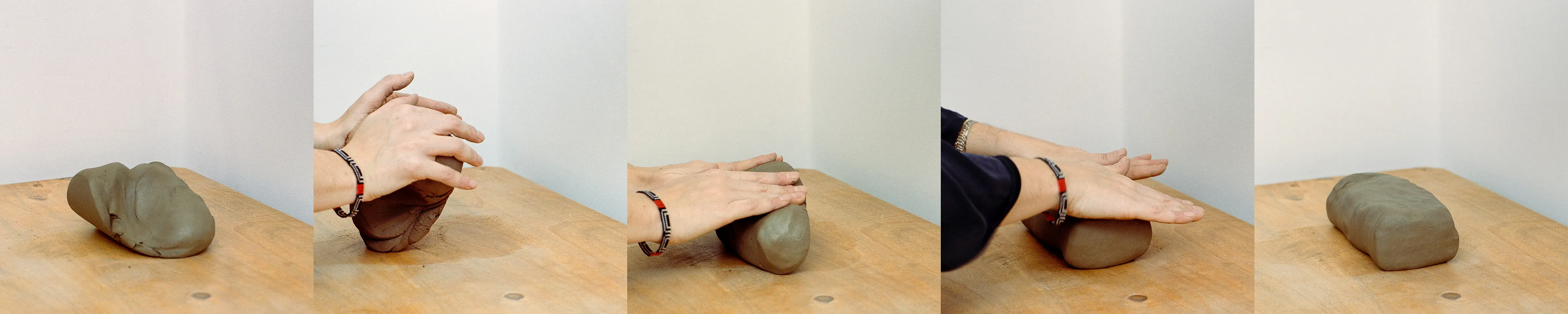
I think I answer this by pointing to always making things in threes. And then the ceramics process, it’s a very long process. Which is a little different from painting, because painting is long, but it’s the same. So in painting you start on the canvas, and you keep going on the canvas. Mix the paint and put it on the canvas. You can erase everything; you can start from scratch. The drawings keep creating themselves, overlapping, and if you wanna sand it, you sand it. But the process is always kind of the same. Paint the canvas, paint the canvas.
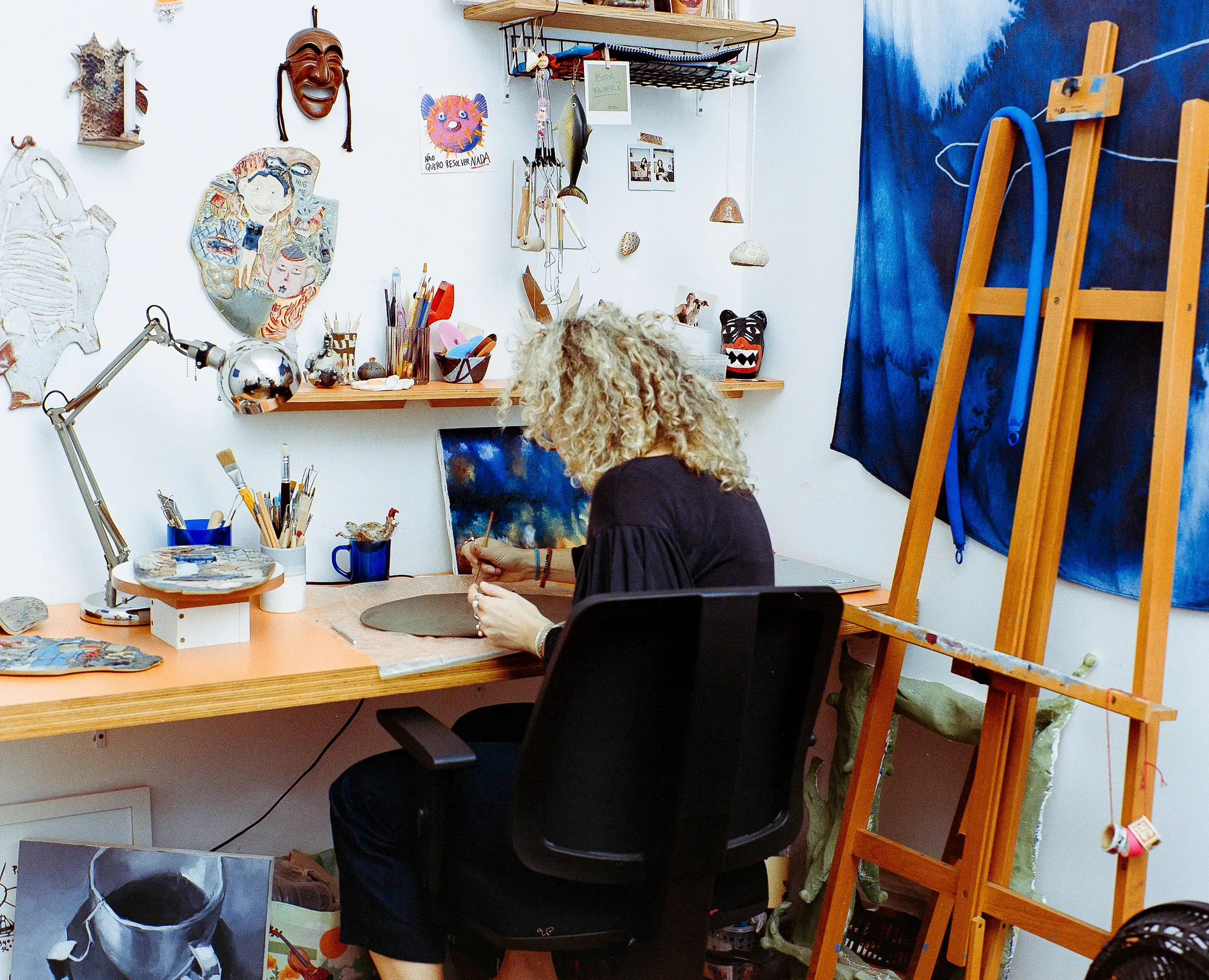
Martha's beautiful mess.
So if today I don’t feel like starting one from scratch, and to start one from scratch you need… I think it’s the most… I don’t know, for me it’s not the part that blocks me the most, because I know a very long process is gonna come next. So if I don’t feel like starting one from scratch today, I’ll always have one to glaze, you know? And then while I’m glazing that one, I’m thinking about, so, maybe I could do X in the modeling. Then I finish glazing and move on to modeling.
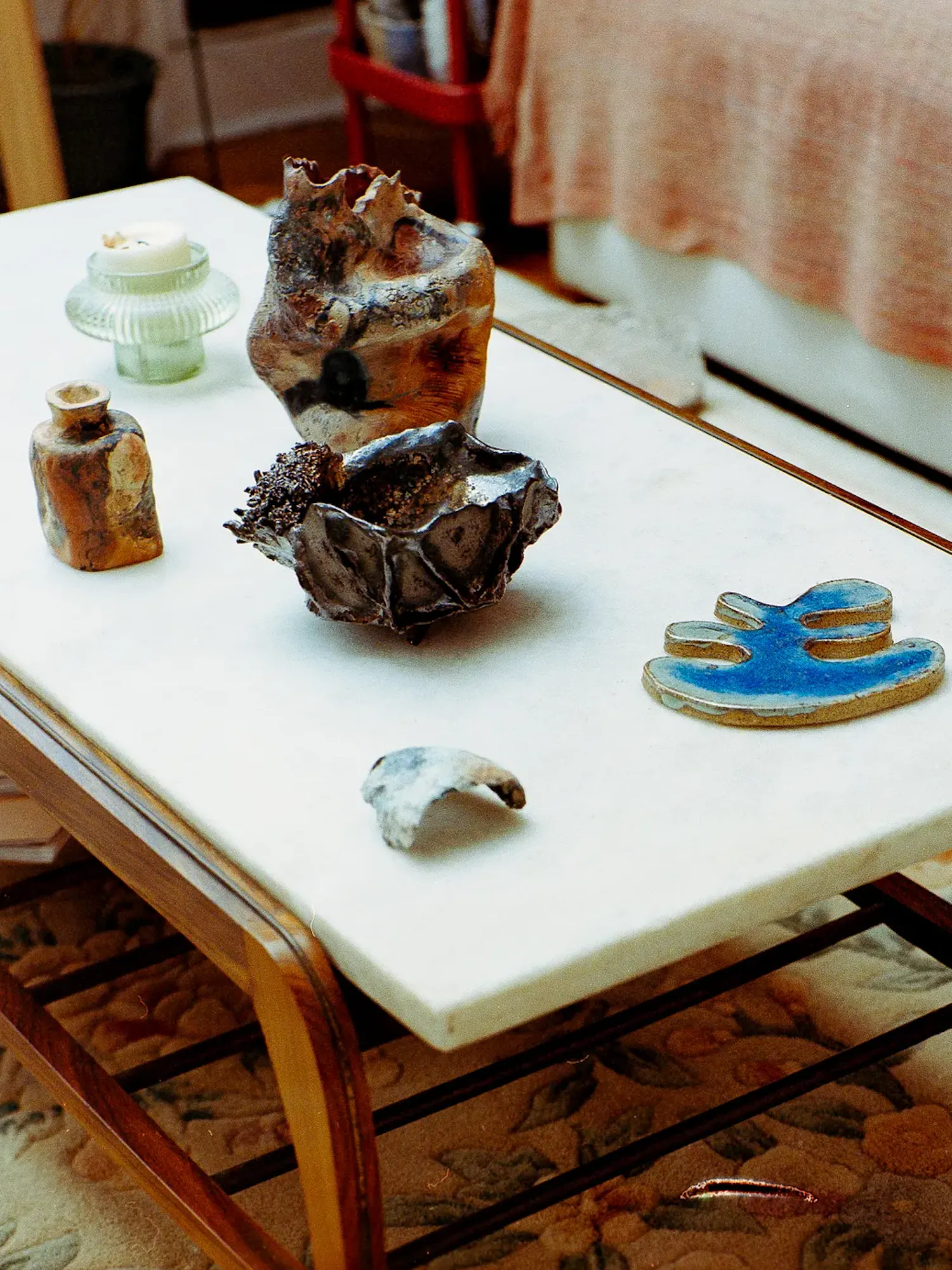
I think ceramics lets me… Never be bored. And even when I don’t wanna work, there’s stuff to do, unlike painting, right? Even if there’s stuff to do, it’s the same thing. I’ll put paint on the canvas.