Humankind is a series where we ask the questions every other AI conversation skips: not what changes in how we work or how we design, but what changes inside ourselves.
As we drove through the Brazilian countryside toward a national park, one image stuck with me: for hours, the only thing on the horizon was soy fields. Soy is the ultimate in agricultural efficiency, feeding the world and keeping the economy spinning. It comes at a high cost, though: stripping away biodiversity, soil nutrients, and opportunity for smaller local producers. The solution is not to end soy, but to address the more wicked problem of monoculture itself.
Every day, I am surprised by the many ways I can use AI to solve problems, come up with ideas, and even express myself in new creative ways. It feeds my brain like subtly seasoned silken tofu. The thing is, when I look up, all I see on the horizon is AI.
Unlike other tools, which I learned about and adopted via other designers, AI came from the top. We had to pitch hard just to get Sketch and Figma approved in our companies. Generative AI started down a similar offbeat path, back when it was making strange images in Discord servers. Until AI was no longer a tool, but an ultimate ideology to solve the holy grail of efficiency, productivity, and optimization.
I don't know when soy became the ultimate solution for feeding the world. But I know the world I live in relies on it, whether I like it or not. The push for AI aims to put LLMs in the same spot: the homogeneous answer we can't live without. AI should replace everything, creating a monoculture of approaches and solutions, optimizing (eliminating) roles and processes.
Before we've even figured out how to use AI, we're expected to show that we not only accept this new reality but are helping build it.
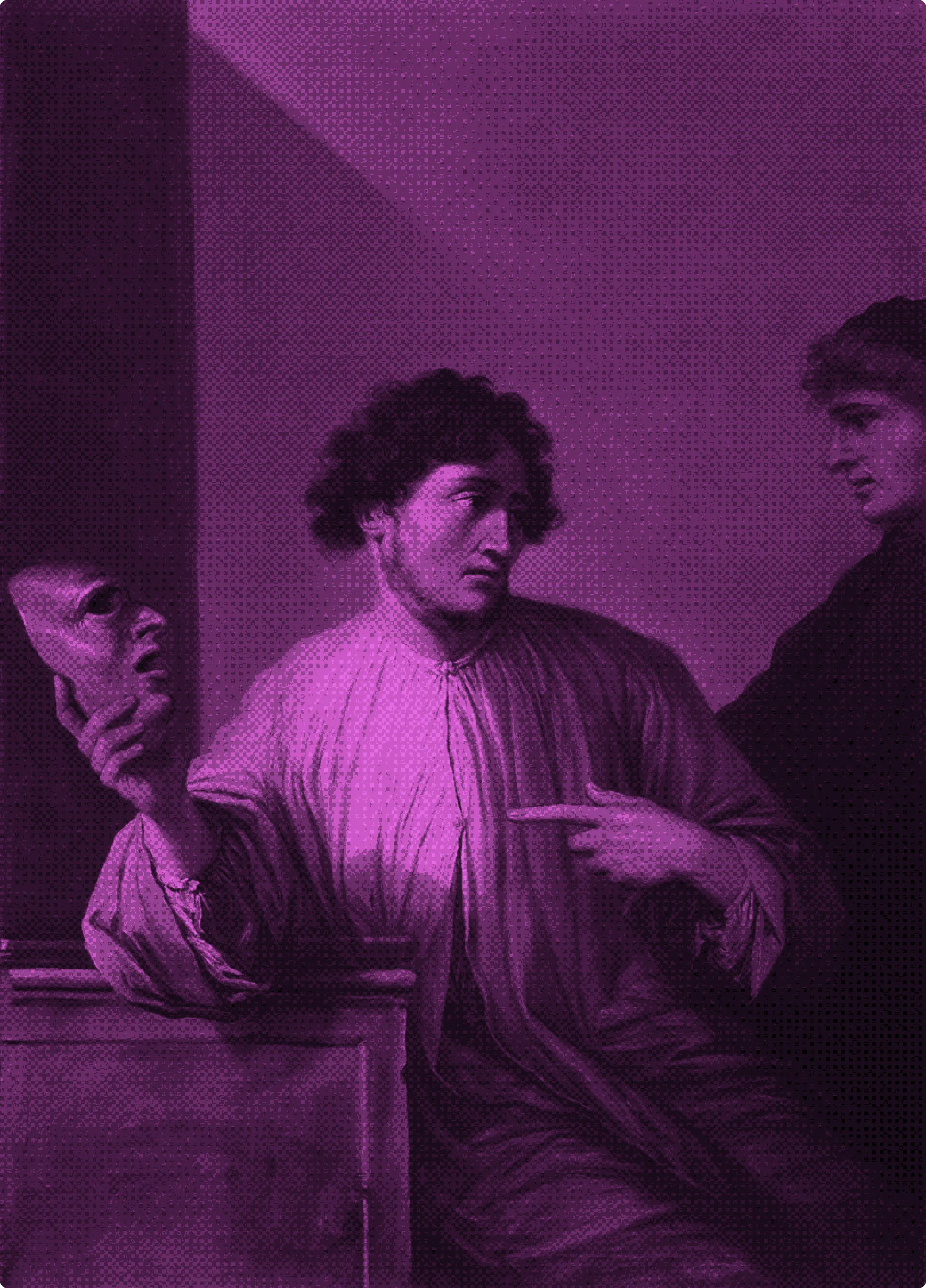
White-collar work has always had a performative side, a natural way of finding common ground to sell our work. AI has amplified this theater, because the role we're now asked to play often contradicts the ones we've played until now. For years, designers were the ones asking for a more thoughtful process: defending craft, users, and the critical thinking to get things right. Now we perform speed. We overuse AI to signal we're aligned with where things are going. The alternative seems to be to sit out and look for work in another industry, as some are doing and many are dreaming of.
I wonder what AI would look like if we'd allowed it to grow from the bottom. If it were a toy for our creativity instead of a weapon for efficiency.
While crossing the soy fields, I made a quick stop at a farmer's stand selling local fruit. He was part of a community bringing biodynamic practices back to the area, a reminder that we can inhabit different realities at once. You can choose to fight Big Soy and Big AI (which are, in fact, one and the same). Or you can reclaim AI for your own creative projects: not to produce more performative artifacts, but to make delightfully useless things that feed your imagination.
Just don't lose yourself in the role you play at work.
Unless, of course, this is who you've always been. Some people dream of soybean fields.