The Discipline of Hesitation
The cost of getting used to answers that never waver.
Written by
Fabricio Teixeira
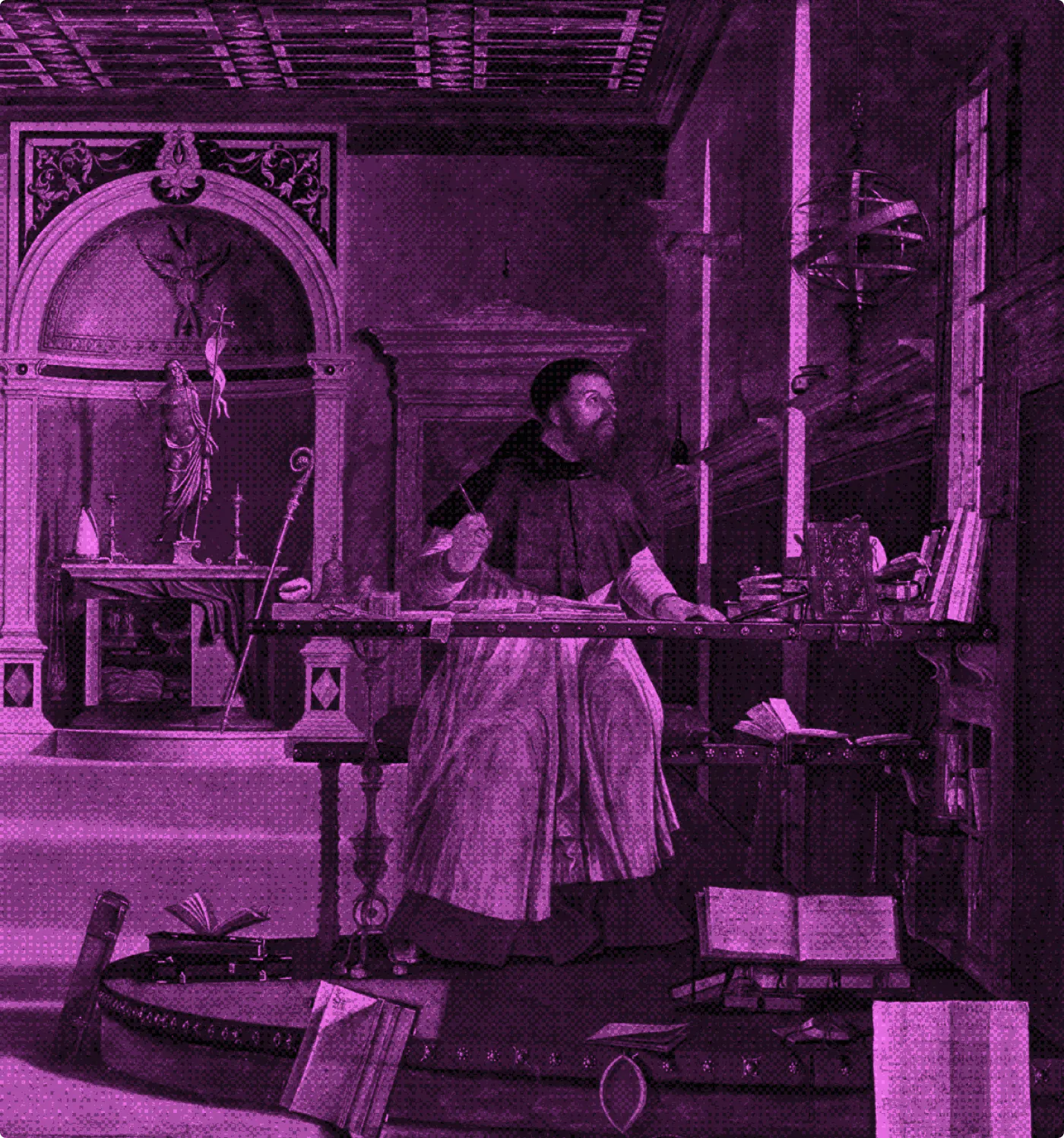
Humankind is a series where we ask the questions every other AI conversation skips: not what changes in how we work or how we design, but what changes inside ourselves.
It’s 10:40 am on a Tuesday. The designer walks into the meeting, and something has shifted. They spent the morning in a loop of prompts and responses while working with AI. Each one instant, each one certain. Now, in that real-world meeting, a colleague pauses to think out loud, and the pause feels wrong. “Get to the point,” a small voice says. Nobody asked that thought to show up. It's just the first silence all morning that's lasted long enough to notice.
Conversing with a machine has no built-in friction. It does not hesitate. It just answers. It does not search for the right word, or wonder how the question will land, or brace for how the answer will be received. It simply responds. That is the entire transaction. Repeat that transaction every day, and the body starts to learn a rhythm.
Think about it: A machine has nothing to protect. No reputation in the room, no face to save, no memory of the last thing it said badly. Human speech carries all of that weight, which is why it moves more slowly, circles back, and softens before landing. What looks like inefficiency is often self-preservation. And self-preservation, between two people, is a form of care (or that’s what I like to tell myself anyway).
A machine treats language as a delivery system: say the thing, receive the thing, and then move on. A person treats language as a room two people occupy together for a while.
Oh, the small mercy of not saying everything at once.
Despite how efficient we want to be as designers, efficiency is never really the goal of any conversation.
The machine does not need the words “please” or “thank you.” It expends no effort to acknowledge, no patience to spend that requires gratitude. Some people I know narrate their walk to their dog as if the dog was able to understand every word. Nobody does this because the dog demands it. They do it because that is just who they are when they speak, and they see no reason to become someone colder just because no one is looking.
Hesitation used to be legible as thought. A pause meant someone was still working something out (like testing a sentence before releasing it). Indirection meant courtesy: a way of approaching a hard truth without forcing the other person to take it abruptly. Contradiction, far from a flaw, was often the most honest thing a person could offer: proof that they were still thinking, not simply retrieving.
As we work more and more with AI, how will that change what we expect from humans? To be fair, nobody decides to lower their tolerance for other humans. It happens the way habits always happen: invisibly, through repetition, without a single deliberate choice.
Machines taught us to expect language without weight. I keep wondering how much of that weight we still owe each other.